



 Русский
.jpg)
Возможности высокоточной обработки: швейцарская токарная обработка, фрезерование на станках с ЧПУ, обработка материалов и контроль качества.
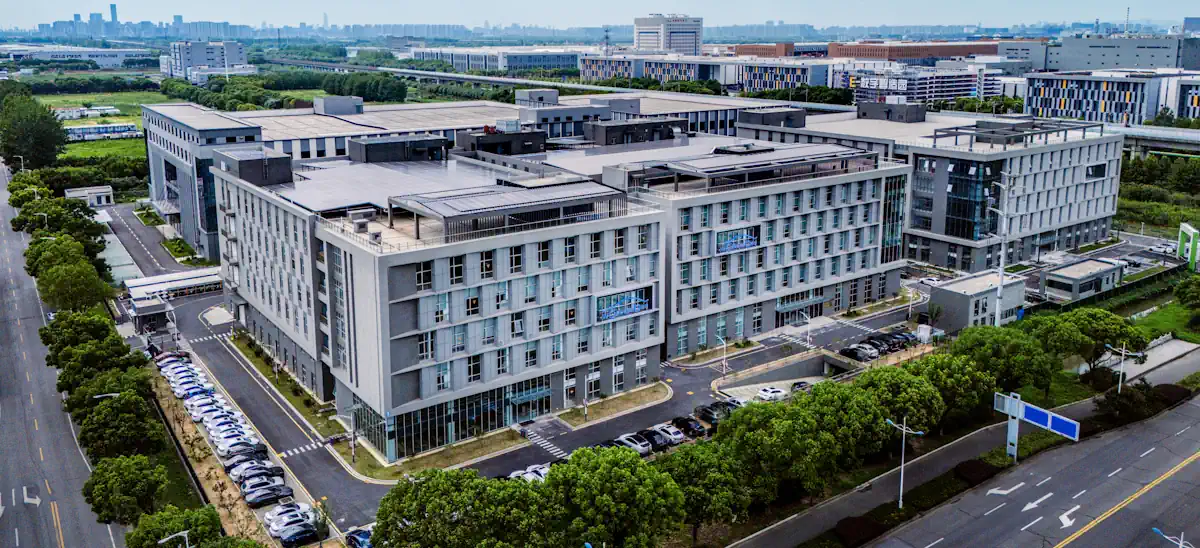
На этой странице представлен практический обзор наших возможностей по прецизионной обработке высокоточных компонентов, основанных на двух производственных базах в Сучжоу и Ухане.
Для ускорения процесса составления сметы, приложите чертежи, перечень материалов, требования к поверхности и размеры, которые вы считаете критически важными. Вы можете отправить их по электронной почте. info@workersbee.com .
Краткий обзор возможностей
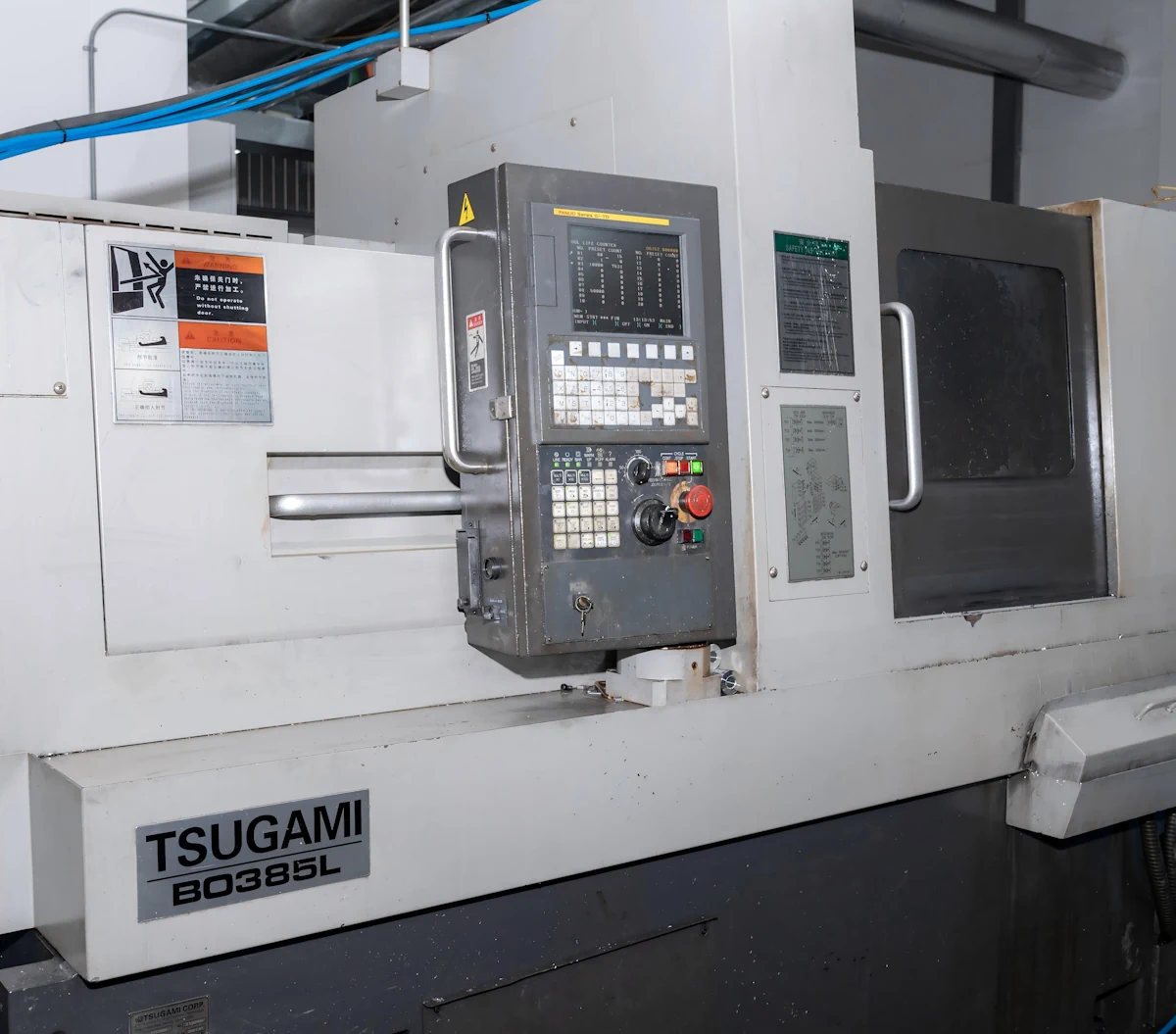
Наше оборудование швейцарского типа включает 66 импортных станков швейцарского типа от компаний Tsugami и Citizen (Сучжоу 48, Ухань 18). В числе представленных моделей: Citizen A20/A12 и Tsugami S206, B.O385, БO325, БO265, БOМодели 205, BO204 и BO203, оснащенные автоматическими податчиками прутков. Линия поддерживает автоматическую обработку до 6 осей и многостороннюю токарно-фрезерную обработку (передняя/задняя/боковая стороны) за одну установку.
Производственные мощности нашего обрабатывающего центра включают 27 прецизионных обрабатывающих центров, 16 из которых оснащены 4-й осью, а 1 — 5-осевой системой, что позволяет выполнять многостороннее сверление, фрезерование и нарезание резьбы за один цикл обработки.
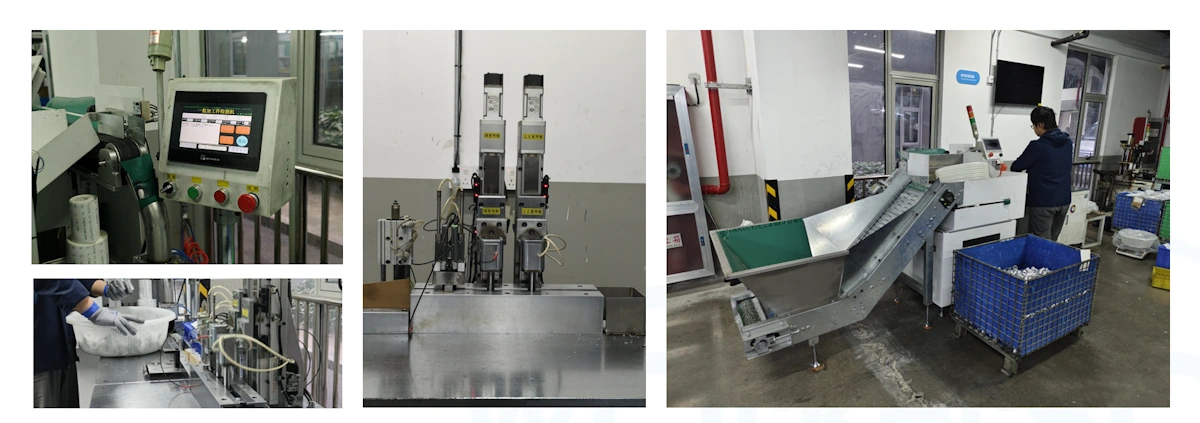
В систему контроля качества входит специализированная группа инспекторов из 25 человек и две автоматизированные системы контроля для проверки внутреннего диаметра и общей длины, с автоматической сортировкой и подсчетом.
Краткий обзор возможностей
Область | Лучший вариант | Типичные характеристики деталей | Ориентация на качество |
Токарная обработка швейцарского типа | Детали с осевой осью, требующие высокой соосности. | Малые диаметры, изящная геометрия, множество элементов, выровненных по одной оси. | Соосность, контроль заусенцев, воспроизводимость по всему объему. |
Фрезерование на станках с ЧПУ (4/5 осей) | Многогранные элементы или плоские базовые элементы | Поперечные отверстия, карманы, наклонные поверхности, сложные контуры | Положение отдельных элементов, стабильность зажима, однородность партии. |
Вторичные операции | Внешний вид, состояние кромок и чистота. | Зачистка, равномерная текстура, чистые детали, готовые к сборке. | Стабильность заточки кромок, состояние поверхности, контроль остатков |
Контроль и автоматизация | Высокопроизводительный скрининг и стабильные измерения | Проверка внутреннего диаметра и длины, сортировка и подсчет. | Выравнивание методов, логика отклонения, отслеживаемость. |
Швейцарская токарная обработка (обработка по швейцарскому типу)
Обработка на станках швейцарского типа — оптимальный выбор, когда функциональной базовой осью является цилиндрическая ось, и несколько элементов должны оставаться выровненными относительно этой оси. Меньшее количество повторных зажимов обычно означает меньшую вероятность накопления погрешности.
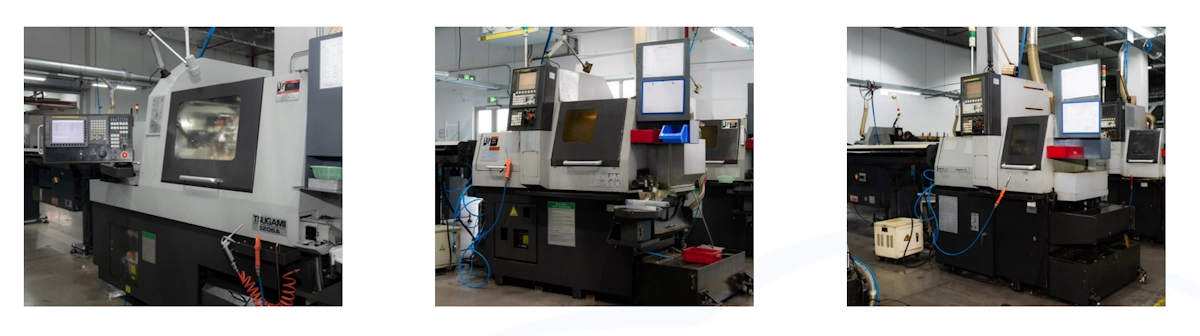
Наша токарная линия швейцарского типа построена на базе оборудования Tsugami и Citizen и сконфигурирована для многоосевой автоматической обработки с использованием механизированных инструментальных держателей, что позволяет выполнять токарно-фрезерную обработку нескольких поверхностей с сохранением точной центровки относительно главной оси.
Фрезерование на станках с ЧПУ и многоосевая обработка
Фрезерование становится основным процессом, когда в вашей геометрии преобладают плоские опорные поверхности, многогранные элементы или карманы/контуры, которые неэффективны при обработке на токарном станке в первую очередь.
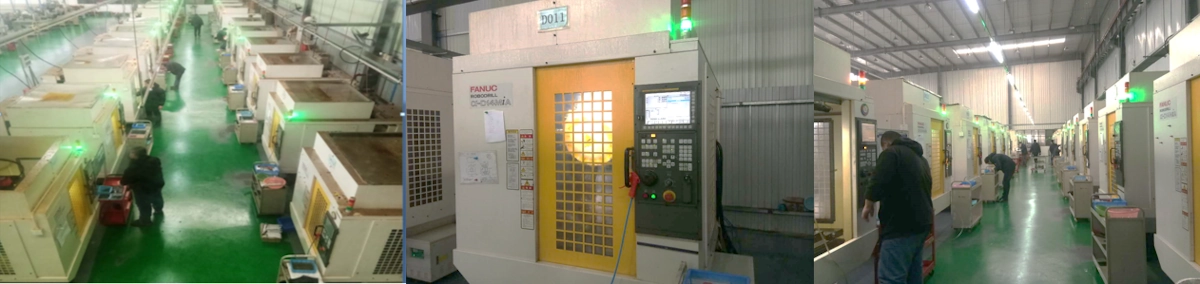
Наш обрабатывающий центр располагает 4-осевыми и 5-осевыми станками для выполнения многогранного сверления, фрезерования и нарезания резьбы за один цикл обработки, что помогает сохранить взаимосвязи элементов и уменьшить смещение положения между партиями деталей.
Вторичные операции и финишная обработка
Многие производственные споры возникают не из-за размеров. Они связаны с состоянием кромок, однородностью поверхности и требованиями к чистоте, которые не были оговорены на ранних этапах.
Мы поддерживаем стандартные этапы постобработки, такие как магнитная обработка, влажная и сухая пескоструйная обработка, центробежная и вибрационная обработка, а также ультразвуковая очистка. Это помогает контролировать образование заусенцев, внешний вид поверхности и остатки после резки.
При необходимости дополнительных процессов обработки поверхности мы можем скоординировать действия с нашими давними партнерами для выполнения гальванического покрытия, анодирования, напыления, электролитической полировки и термообработки.
Материалы, которые мы обрабатываем
Выбор материала влияет на износ инструмента, характер образования заусенцев, риск повреждения поверхности и даже на то, как и когда проводятся измерения.
Мы обрабатываем широкий спектр металлов и конструкционных пластмасс, включая нержавеющие стали (SUS303/304/316L, 630/17-4), стали (1215/1144/S45C), медные сплавы (C3604/C3602 и аналогичные марки), алюминиевые сплавы (6061-T6/6063/7075-T6 и другие), конструкционные пластмассы (PEEK, PTFE, POM) и никель-железные сплавы семейства Ковар (4J29/4J36/4J42).
Обзор материалов
Материальное семейство | Примеры | Что посмотреть | Что следует уточнить в запросе предложений/чертеже? |
Нержавеющая сталь | SUS303/304/316L, 17-4 | Контроль заусенцев, износ инструмента, однородность поверхности. | Функциональные поверхности, излом кромки, зоны, подверженные коррозии. |
Сталь | 1215/1144/S45C | Термостойкость и стабильность покрытия, требования к постобработке. | Требования к термообработке, базовая схема, размеры CTQ. |
Медные сплавы | C3604/C3602 | Чувствительность к размазыванию и заусенцам, следы на поверхности. | Косметические и функциональные поверхности, зоны нанесения покрытий, если таковые имеются. |
Алюминиевые сплавы | 6061-T6/6063/7075-T6 | Чувствительность к царапинам, целостность кромок | Обработка заметок, области анодирования, класс поверхности |
Инженерные пластмассы | PEEK/PTFE/POM | Деформация и восстановление размеров, образование заусенцев/ниток | Время проведения измерений, посадка, требования к чистоте |
Никель-железные сплавы | Ковар 4J29/4J36/4J42 | Жесткий контроль технологического процесса, износ инструмента. | Критические размеры, метод контроля, примечания по обращению. |
Контроль качества и автоматизация
Качественная проверка начинается с согласования целей: какие параметры являются критически важными, как их измерить и какой формат отчета необходим на каждом этапе.
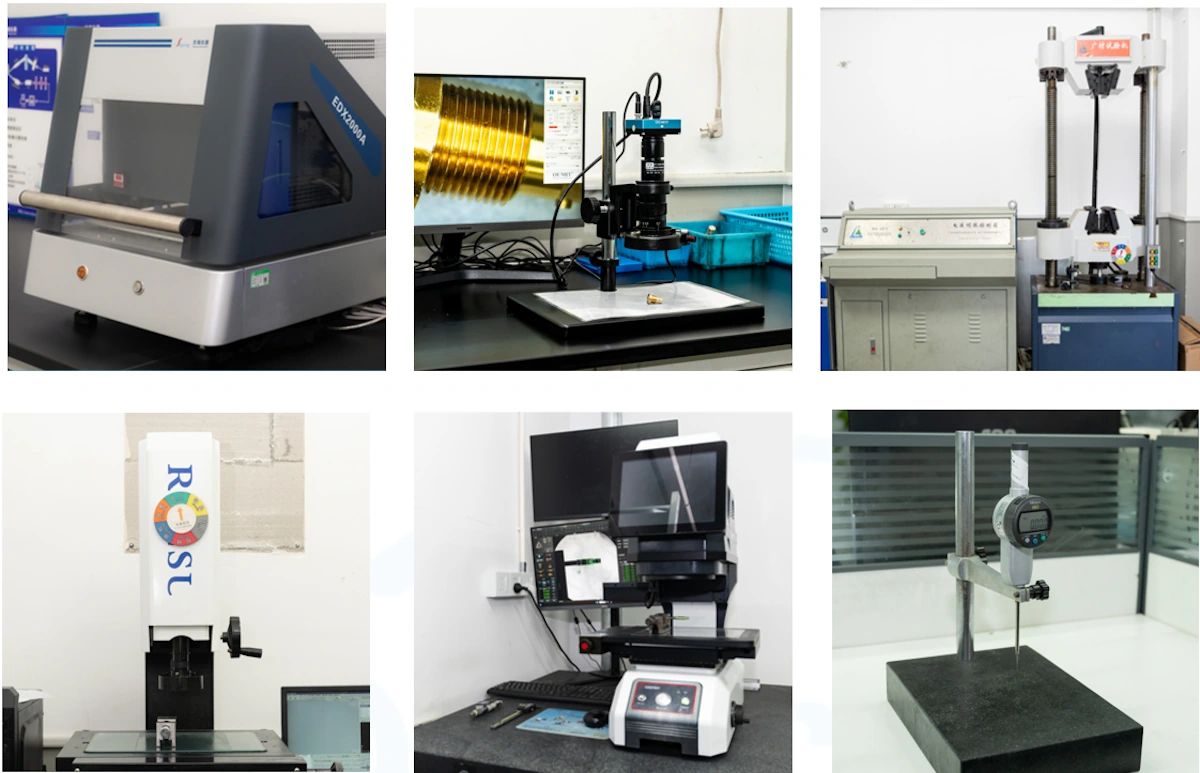
Мы обеспечиваем поддержку измерений и контроля с помощью специализированной команды из 25 человек, включая измерение изображений, измерение вспышек, измерение шероховатости, измерение толщины покрытия и видеомикроскопию, а также стандартные измерительные приборы и микрометры для плановых и прецизионных проверок.
Для контроля больших объемов продукции мы используем две автоматизированные системы проверки внутреннего диаметра и общей длины. Внутренний диаметр определяется с помощью калибровочного метода «прошел/не прошел»; общая длина проверяется контактными датчиками. Несоответствующие детали автоматически сортируются по типу дефекта, и система поддерживает автоматический подсчет.
Отрасли и типичные типы компонентов
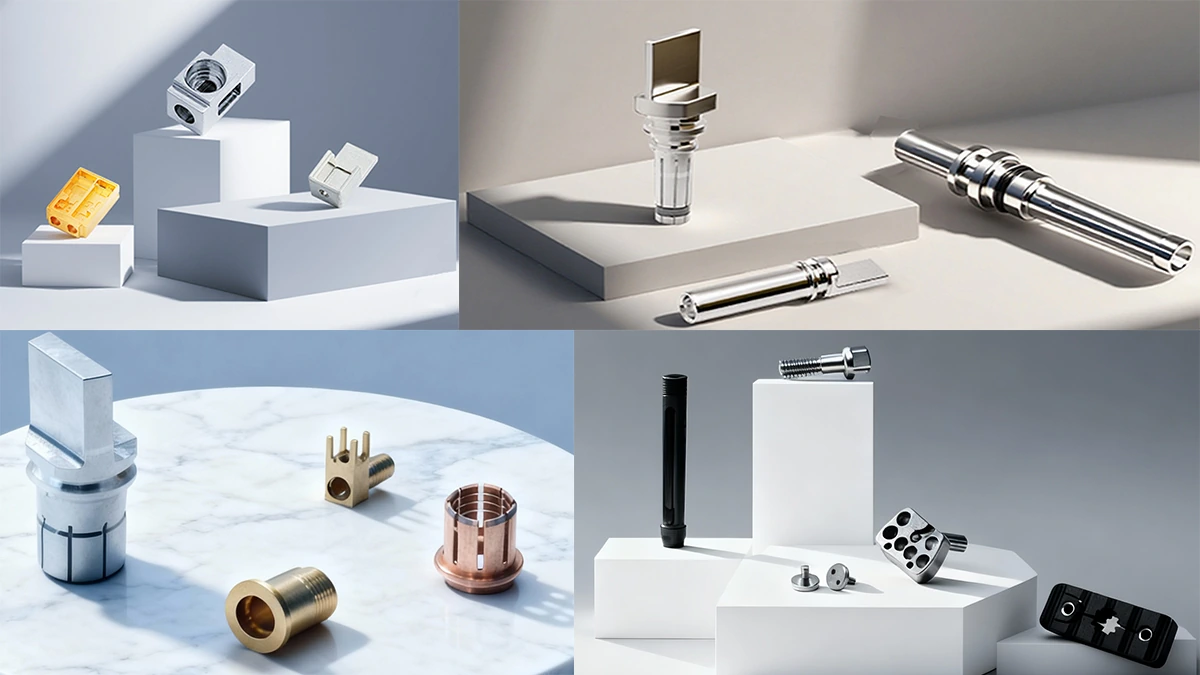
Мы предоставляем услуги по поддержке производства прецизионных компонентов и сопутствующие технические услуги для применения в оптической связи, медицине, автомобилестроении, системах жидкостного охлаждения и компонентах, связанных с разъемами.
В разных отраслях промышленности предъявляются разные требования к рискам. В случае оптических компонентов и компонентов, связанных с разъемами, часто основное внимание уделяется точности подгонки и состоянию поверхности. В медицинской промышленности предъявляются высокие требования к стабильности качества, чистоте и документации по контролю качества. В автомобильной промышленности обычно требуется стабильный объем производства, где стратегия отбора становится столь же важной, как и сама механическая обработка.
От запроса коммерческого предложения до производства
Запрос коммерческого предложения и анализ чертежей → обратная связь по проектированию с учетом технологичности производства → изготовление образца → отчет о замерах → пилотный запуск → серийное производство → окончательная проверка → упаковка и отгрузка
Проекты, выполняемые в ускоренном темпе, обычно начинаются с четко определенных размеров критически важных параметров качества (CTQ), согласованных методов измерения и требований к отделке, которые отличают функциональные поверхности от нефункциональных.
Контрольный список запроса коммерческого предложения
Элемент | Что предоставить | Почему это помогает |
Чертежи | Чертеж в 2D + модель в 3D (если имеется) | Более быстрая проверка и меньше предположений. |
Материал | Класс/стандарт и приемлемые альтернативы | Планирование технологических процессов и контроль рисков на поверхностях. |
Требования к поверхности | Цель + где это применимо | Позволяет избежать споров по поводу внешнего вида и доработок. |
Параметры CTQ | Определите критически важные характеристики и схему базовых параметров. | Согласовывает план контроля и усилия по проведению инспекций. |
Допуски | Зоны сужения пространства против зон расслабления | Предотвращает ненужные факторы, влияющие на затраты. |
Потребности в проверке | Тип отчета и подход к выборке | Обеспечивает наличие необходимых измерительных ресурсов. |
Ожидания по партии | Прототипирование / мелкосерийное производство / серийное производство | Руководство по выбору процесса и соответствию критериям отбора |
Упаковка/маркировка | Потребности в защите и их идентификация | Снижает риск повреждений и путаницы. |
Конфиденциальность | Требование о неразглашении конфиденциальной информации, если применимо. | Уточняет границы обработки. |
Готовы проверить ваши чертежи? Отправьте ваши 2D/3D файлы по электронной почте, указав материал, требования к поверхности и размеры CTQ. info@workersbee.comи укажите целевое количество (прототип, небольшая партия или крупный объем). Мы подтвердим информацию о технологичности изготовления и методах контроля качества перед отбором проб.